

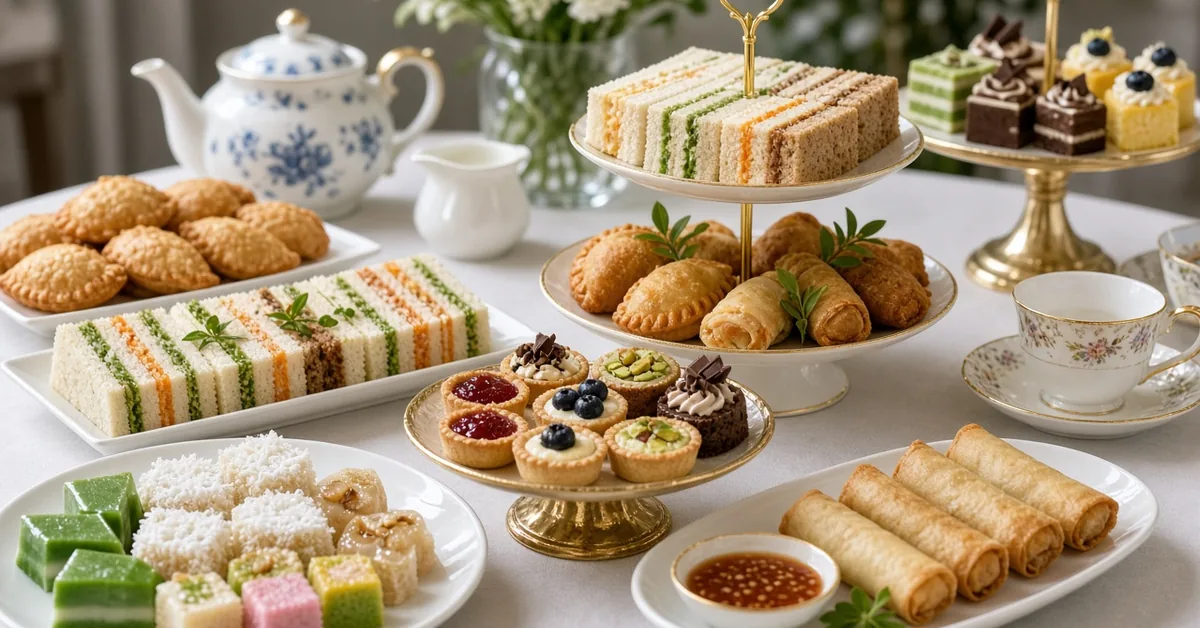
Start with enough savoury food to satisfy your guests, then choose sweets that offer different flavours and textures. Include drinks in that decision: several rich desserts alongside sweetened beverages can make the whole spread feel sweeter than intended.
For a Singapore office gathering or afternoon celebration, the right balance depends on when guests last ate, how long they will stay and whether another meal follows. Use those details to guide your selections before choosing individual favourites.
Match the Balance to the Event Timing
A tea break soon after lunch needs a different menu from a late-afternoon gathering where guests arrive hungry. For the first, smaller bites and a modest dessert selection may be enough. For the second, give more attention to filling savoury choices.
Ask three questions before ordering:
- Will guests have eaten a proper meal beforehand?
- Is the food a short refreshment break or the main reason for gathering?
- How long must it keep everyone comfortable before their next meal?
If the event replaces lunch or dinner, compare Rasa Catering’s buffet options before stretching a snack menu into a full meal.
Count Sandwiches as Part of the Savoury Selection
Menu headings can make the balance look misleading. Sandwiches belong on the savoury side even when the caterer lists them separately from hot snacks.
The Rasa Catering hi-tea menu includes an option with two savoury selections, two sandwich selections, three sweets and two beverages. That means four savoury food choices against three sweet choices.
Use this as a starting framework, then check quantities. Four savoury varieties do not automatically mean more savoury food by weight or more pieces per guest.
Avoid treating a particular ratio as a rule. Guests’ appetites and the supplied serving sizes matter more than achieving neat numbers.
Give Each Savoury Choice a Different Role
A good savoury selection should offer more than different fillings inside similar pastry shells. Several fried snacks may provide variety in flavour while leaving every mouthful equally crisp and rich.
Aim for a combination of textures: something crisp, something softer and a filling that provides contrast. When selecting two sandwiches, consider different fillings rather than two versions of the same meat with similar sauces.
Also consider how guests will eat. Someone standing with a cup has less freedom to manage dripping fillings or food that needs cutting. Ask about the actual serving size and presentation.
Choose at least one mild option if preferences are mixed, and ask whether stronger sauces can be served separately. Confirm this arrangement rather than assuming it comes with the package.
Build Dessert Variety Through Texture
Choosing three sweets does not require choosing three cakes. Give each dessert a reason to be there: one chocolate-based option, one creamy option and one chilled, spoonable alternative can create a more varied finish.
Think about what guests might put together on one plate. Several dense cakes with rich toppings compete for the same appetite. Different textures make it easier for someone to choose a small finish without feeling that every option is similar.
A chilled dessert is not automatically lower in sugar. Select it for contrast unless the caterer provides information supporting a nutritional claim.
For a short break, check whether desserts need bowls and spoons. Extra serving steps can make an otherwise attractive choice awkward.
Include Beverages in the Sweetness Balance
Drinks are part of the menu, not an afterthought. A sweet cold drink alongside cake and another sweet dessert can leave few choices for guests who prefer less sweetness.
Consider requesting coffee or tea with sugar served separately, and confirm whether that is available. If choosing a cordial, ask about the preparation and whether plain drinking water can also be provided.
Check the venue’s water arrangements before adding another beverage order. A shared dispenser needs cups, a suitable position and someone responsible for refilling it during the event.
Confirm Portions Before Adding More Varieties
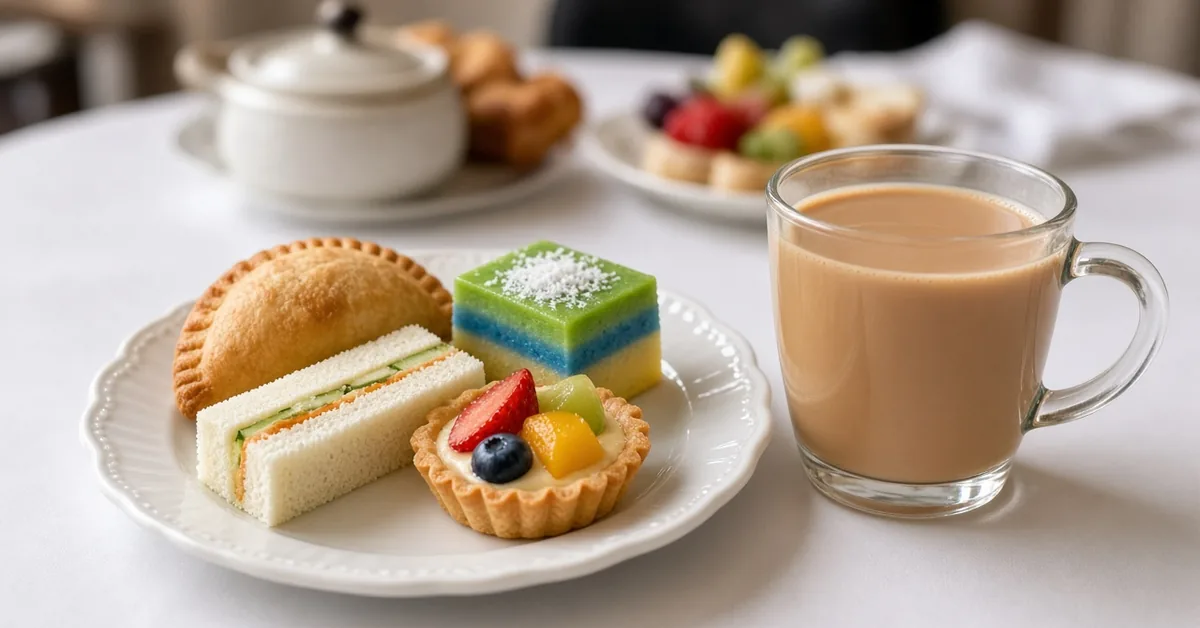
A long list of dishes does not tell you how much each person receives. Ask the caterer whether sandwiches are supplied as individual fingers, halves or another serving size, and how desserts are portioned.
The most useful questions are:
- How many pieces or servings of each chosen item are included?
- Are quantities equal across dishes?
- Can quantities be adjusted towards savoury food?
- Are additional servings or changes charged separately?
Imagine a realistic guest plate using those answers. Can someone take a satisfying savoury selection and still enjoy dessert? If portions are already generous, adding more varieties may simply spread demand across more trays.
Use a Sample Menu to Check the Mix
For a package allowing two savouries, two sandwiches, three sweets and two drinks, this combination uses options listed on Rasa’s menu.
| Category | Example selections |
|---|---|
| Savouries | Vegetable Samosa; Chicken Drumlets |
| Sandwiches | Egg Mayo Finger Sandwich; Mushroom Bruschetta |
| Sweets | Chilled Cheng Teng; Brownies; Cheesecake |
| Beverages | Coffee; Tea |
This is a suggested combination, not a separate advertised package. It brings together pastry, chicken, bread-based bites and contrasting desserts. Coffee and tea also allow you to discuss a drinks arrangement that does not depend on cordial.
Before confirming, check availability, serving quantities and dietary suitability with the caterer. Dish names alone do not establish ingredients or suitability for particular guests.
Check That Every Guest Has a Workable Selection
An overall balance is less useful if some guests cannot eat most of it. Collect dietary requirements before finalising dishes, including whether anyone avoids meat, eggs or dairy.
Ask about ingredients and preparation for the actual choices. A vegetable filling does not establish that the pastry, sauce or cooking process meets a guest’s requirements.
Send those details with your catering enquiry to Rasa, alongside the event time, headcount and intended food mix. This gives the team specific questions to answer before you approve the menu.
Frequently Asked Questions
Can I replace a sweet selection with another savoury dish?
Ask before booking. Category allowances are part of the package structure, so a substitution may need approval or change the quotation.
Should sweet and savoury food be displayed separately?
Clearly grouped sections make browsing easier. Keep dessert utensils separate and leave enough space for guests to reach both sections without crossing queues.
What if we are also serving a celebration cake?
Count that cake as part of the sweet offering. Ask whether the catering dessert quantity or selection can be adjusted to avoid unnecessary duplication.
How should the menu change when children attend?
Ask their parents about preferences and requirements. Include manageable portions and mild choices; do not assume children will mainly eat sweets.
When should I finalise the menu?
Confirm the caterer’s deadline for selections, headcount and dietary requests. Agree on these together so later changes do not upset the planned balance.